our Research
We study the evolution of development within species and populations, with a focus on the question of how genotype-by-environment interactions generate heritable variation in developmental processes and corresponding phenotypic outcomes. Although genotype-by-environment interactions are common and important determinants of phenotypic variation, the mechanisms by which genetic and environmental variation interact to generate trait variation remain poorly understood.
Our projects thus aim to characterize the molecular and developmental basis of genotype-by-environment interactions, how such interactions evolve and how they in turn may impact the evolutionary process itself. In our research, we use the nematode Caenorhabditis elegans and related species as model organisms, and we integrate quantitative experimental approaches from developmental and evolutionary genetics.
Research Topics
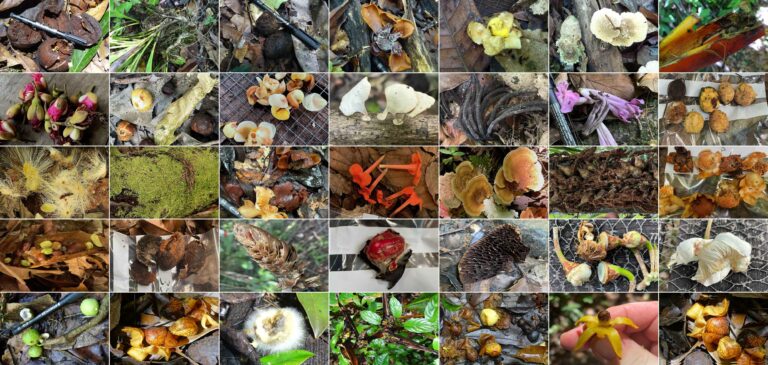
Evolution and ecology of Caenorhabditis nematodes
Although C. elegans is increasingly being used in evolutionary studies, there is still very little information on its natural history, ecology, phylogenetic context, and the genetic structure of its natural populations.
The TEAM

Lucie Bolleli

Lucie Bolleli, Research Engineer
Charlotte Bouleau

Charlotte Bouleau, Research Engineer
Clotilde Gimond

Clotilde Gimond, Senior CNRS Researcher
Laure Mignerot

Laure Mignerot, Post-doctoral Fellow
Asma Sandjak

Asma Sandjak, Research Engineer
Florian Tuffin

Florian Tuffin, Research Engineer
Alumni
No results found.
No results found.
No results found.
Publications
Germ cell apoptosis is critical to maintain Caenorhabditis elegans offspring viability in stressful environments
Fausett, Sarah and Poullet, Nausicaa and Gimond, Clotilde and Vielle, Anne and Bellone, Michele and Braendle, Christian
PLoS One 16, e0260573 (2021)
Germ cell apoptosis is critical to maintain Caenorhabditis elegans offspring viability in stressful environments
Maintaining reproduction in highly variable, often stressful, environments is an essential challenge for all organisms. Even transient exposure to mild environmental stress may directly damage germ cells or simply tax the physiology of an individual, making it difficult to produce quality gametes. In Caenorhabditis elegans, a large fraction of germ cells acts as nurse cells, supporting developing oocytes before eventually undergoing so-called physiological germ cell apoptosis. Although C. elegans apoptosis has been extensively studied, little is known about how germline apoptosis is influenced by ecologically relevant environmental stress. Moreover, it remains unclear to what extent germline apoptosis contributes to maintaining oocyte quality, and thus offspring viability, in such conditions. Here we show that exposure to diverse environmental stressors, likely occurring in the natural C. elegans habitat (starvation, ethanol, acid, and mild oxidative stress), increases germline apoptosis, consistent with previous reports on stress-induced apoptosis. Using loss-of-function mutant alleles of ced-3 and ced-4, we demonstrate that eliminating the core apoptotic machinery strongly reduces embryonic survival when mothers are exposed to such environmental stressors during early adult life. In contrast, mutations in ced-9 and egl-1 that primarily block apoptosis in the soma but not in the germline, did not exhibit such reduced embryonic survival under environmental stress. Therefore, C. elegans germ cell apoptosis plays an essential role in maintaining offspring fitness in adverse environments. Finally, we show that ced-3 and ced-4 mutants exhibit concomitant decreases in embryo size and changes in embryo shape when mothers are exposed to environmental stress. These observations may indicate inadequate oocyte provisioning due to the absence of germ cell apoptosis. Taken together, our results show that the central genes of the apoptosis pathway play a key role in maintaining gamete quality, and thus offspring fitness, under ecologically relevant environmental conditions.
Infection of C. elegans by Haptoglossa species reveals shared features in the host response to Oomycete detection
Grover, Manish and Fasseas, Michael K and Essmann, Clara and Liu, Kenneth and Braendle, Christian and Félix, Marie-Anne and Glockling, Sally L and Barkoulas, Michalis
Front. Cell. Infect. Microbiol. 11, 733094 (2021)
Infection of C. elegans by Haptoglossa species reveals shared features in the host response to Oomycete detection
Oomycetes are a group of eukaryotic organisms that includes many important pathogens of animals and plants. Within this group, the Haptoglossa genus is characterised by the presence of specialised gun cells carrying a harpoon-like infection apparatus. While several Haptoglossa pathogens have been morphologically described, there are currently no host systems developed to study the infection process or host responses in the lab. In this study, we report that Haptoglossa species are potent natural pathogens of Caenorhabditis nematodes. Using electron microscopy, we characterise the infection process in C. elegans and demonstrate that the oomycete causes excessive tissue degradation upon entry in the body cavity, whilst leaving the host cuticle intact. We also report that the host transcriptional response to Haptoglossa infection shares similarities with the response against the oomycete Myzocytiopsis humicola, a key example of which is the induction of chitinase-like (chil) genes in the hypodermis. We demonstrate that this shared feature of the host response can be mounted by pathogen detection without any infection, as previously shown for M. humicola. These results highlight similarities in the nematode immune response to natural infection by phylogenetically distinct oomycetes.
Balancing selection maintains hyper-divergent haplotypes in Caenorhabditis elegans
Lee, Daehan and Zdraljevic, Stefan and Stevens, Lewis and Wang, Ye and Tanny, Robyn E and Crombie, Timothy A and Cook, Daniel E and Webster, Amy K and Chirakar, Rojin and Baugh, L Ryan and Sterken, Mark G and Braendle, Christian and Félix, Marie-Anne and Rockman, Matthew V and Andersen, Erik C
Nat. Ecol. Evol. 5, 794--807 (2021)
Balancing selection maintains hyper-divergent haplotypes in Caenorhabditis elegans
Across diverse taxa, selfing species have evolved independently from outcrossing species thousands of times. The transition from outcrossing to selfing decreases the effective population size, effective recombination rate and heterozygosity within a species. These changes lead to a reduction in genetic diversity, and therefore adaptive potential, by intensifying the effects of random genetic drift and linked selection. Within the nematode genus Caenorhabditis, selfing has evolved at least three times, and all three species, including the model organism Caenorhabditis elegans, show substantially reduced genetic diversity relative to outcrossing species. Selfing and outcrossing Caenorhabditis species are often found in the same niches, but we still do not know how selfing species with limited genetic diversity can adapt to these environments. Here, we examine the whole-genome sequences from 609 wild C. elegans strains isolated worldwide and show that genetic variation is concentrated in punctuated hyper-divergent regions that cover 20\% of the C. elegans reference genome. These regions are enriched in environmental response genes that mediate sensory perception, pathogen response and xenobiotic stress response. Population genomic evidence suggests that genetic diversity in these regions has been maintained by long-term balancing selection. Using long-read genome assemblies for 15 wild strains, we show that hyper-divergent haplotypes contain unique sets of genes and show levels of divergence comparable to levels found between Caenorhabditis species that diverged millions of years ago. These results provide an example of how species can avoid the evolutionary dead end associated with selfing.
A single-nucleotide change underlies the genetic assimilation of a plastic trait
Vigne, Paul and Gimond, Clotilde and Ferrari, Céline and Vielle, Anne and Hallin, Johan and Pino-Querido, Ania and El Mouridi, Sonia and Mignerot, Laure and Fr\okj\aer-Jensen, Christian and Boulin, Thomas and Teotónio, Henrique and Braendle, Christian
Sci. Adv. 7, eabd9941 (2021)
A single-nucleotide change underlies the genetic assimilation of a plastic trait
Genetic assimilation-the evolutionary process by which an environmentally induced phenotype is made constitutive-represents a fundamental concept in evolutionary biology. Thought to reflect adaptive phenotypic plasticity, matricidal hatching in nematodes is triggered by maternal nutrient deprivation to allow for protection or resource provisioning of offspring. Here, we report natural Caenorhabditis elegans populations harboring genetic variants expressing a derived state of near-constitutive matricidal hatching. These variants exhibit a single amino acid change (V530L) in KCNL-1, a small-conductance calcium-activated potassium channel subunit. This gain-of-function mutation causes matricidal hatching by strongly reducing the sensitivity to environmental stimuli triggering egg-laying. We show that reestablishing the canonical KCNL-1 protein in matricidal isolates is sufficient to restore canonical egg-laying. While highly deleterious in constant food environments, KCNL-1 V530L is maintained under fluctuating resource availability. A single point mutation can therefore underlie the genetic assimilation-by either genetic drift or selection-of an ancestrally plastic trait.
Ubiquitous selfish toxin-antidote elements in Caenorhabditis species
Ben-David, Eyal and Pliota, Pinelopi and Widen, Sonya A and Koreshova, Alevtina and Lemus-Vergara, Tzitziki and Verpukhovskiy, Philipp and Mandali, Sridhar and Braendle, Christian and Burga, Alejandro and Kruglyak, Leonid
Curr. Biol. 31, 990--1001.e5 (2021)
Ubiquitous selfish toxin-antidote elements in Caenorhabditis species
Toxin-antidote elements (TAs) are selfish genetic dyads that spread in populations by selectively killing non-carriers. TAs are common in prokaryotes, but very few examples are known in animals. Here, we report the discovery of maternal-effect TAs in both C. tropicalis and C. briggsae, two distant relatives of C. elegans. In C. tropicalis, multiple TAs combine to cause a striking degree of intraspecific incompatibility: five elements reduce the fitness of >70\% of the F2 hybrid progeny of two Caribbean isolates. We identified the genes underlying one of the novel TAs, slow-1/grow-1, and found that its toxin, slow-1, is homologous to nuclear hormone receptors. Remarkably, although previously known TAs act during embryonic development, maternal loading of slow-1 in oocytes specifically slows down larval development, delaying the onset of reproduction by several days. Finally, we found that balancing selection acting on linked, conflicting TAs hampers their ability to spread in populations, leading to more stable genetic incompatibilities. Our findings indicate that TAs are widespread in Caenorhabditis species and target a wide range of developmental processes and that antagonism between them may cause lasting incompatibilities in natural populations. We expect that similar phenomena exist in other animal species.
Selfing is the safest sex for Caenorhabditis tropicalis
Noble, Luke M and Yuen, John and Stevens, Lewis and Moya, Nicolas and Persaud, Riaad and Moscatelli, Marc and Jackson, Jacqueline L and Zhang, Gaotian and Chitrakar, Rojin and Baugh, L Ryan and Braendle, Christian and Andersen, Erik C and Seidel, Hannah S and Rockman, Matthew V
Elife 10, (2021)
Selfing is the safest sex for Caenorhabditis tropicalis
Mating systems have profound effects on genetic diversity and compatibility. The convergent evolution of self-fertilization in three Caenorhabditis species provides a powerful lens to examine causes and consequences of mating system transitions. Among the selfers, Caenorhabditis tropicalis is the least genetically diverse and most afflicted by outbreeding depression. We generated a chromosomal-scale genome for C. tropicalis and surveyed global diversity. Population structure is very strong, and islands of extreme divergence punctuate a genomic background that is highly homogeneous around the globe. Outbreeding depression in the laboratory is caused largely by multiple Medea-like elements, genetically consistent with maternal toxin/zygotic antidote systems. Loci with Medea activity harbor novel and duplicated genes, and their activity is modified by mito-nuclear background. Segregating Medea elements dramatically reduce fitness, and simulations show that selfing limits their spread. Frequent selfing in C. tropicalis may therefore be a strategy to avoid Medea-mediated outbreeding depression.
A natural mutational event uncovers a life history trade-off via hormonal pleiotropy
Billard, Bénédicte and Vigne, Paul and Braendle, Christian
Curr. Biol. 30, 4142--4154.e9 (2020)
A natural mutational event uncovers a life history trade-off via hormonal pleiotropy
Environmental signals often control central life history decisions, including the choice between reproduction and somatic maintenance. Such adaptive developmental plasticity occurs in the nematode Caenorhabditis elegans, where environmental cues govern whether larvae will develop directly into reproducing adults or arrest their development to become stress-resistant dauer larvae. Here, we identified a natural variant underlying enhanced sensitivity to dauer-inducing cues in C. elegans: a 92-bp deletion in the cis-regulatory region of the gene eak-3. This deletion reduces synthesis or activity of the steroid hormone dafachronic acid (DA), thereby increasing environmental sensitivity for dauer induction. Consistent with known pleiotropic roles of DA, this eak-3 variant significantly slows down reproductive growth. We experimentally show that, although the eak-3 deletion can provide a fitness advantage through facilitated dauer production in stressful environments, this allele becomes rapidly outcompeted in favorable environments. The identified eak-3 variant therefore reveals a trade-off in how hormonal responses influence both the pace of developmental timing and the way in which environmental sensitivity controls adaptive plasticity. Together, our results show how a single mutational event altering hormonal signaling can lead to the emergence of a complex life history trade-off.
Génétique et évolution de la plasticité développementale chez le nématodeC. elegans : induction environnementale du stadedauer
Billard, Bénédicte and Gimond, Clotilde and Braendle, Christian
Biol. Aujourdhui 214, 45--53 (2020)
Génétique et évolution de la plasticité développementale chez le nématodeC. elegans : induction environnementale du stadedauer
La plasticité phénotypique est un phénom{è}ne tr{è}s courant au cours duquel des phénotypes différents sont exprimés en fonction de facteurs environnementaux. La plasticité, lorsque qu’elle est dite « adaptative », permet aux organismes de faire face {\`a} des habitats hétérog{è}nes. Bien que les mécanismes moléculaires régulant la plasticité développementale soient de mieux en mieux compris, nous n’avons encore que peu d’informations sur les bases moléculaires de la variation naturelle et de l’évolution de la plasticité. Le nématodeC. elegansprésente un exemple emblématique de plasticité adaptative car cette esp{è}ce a la capacité d’entrer dans un stade larvaire alternatif appelé « dauer » lorsque les conditions environnementales sont défavorables. Durant ce stade de diapause, les larves peuvent survivre pendant environ trois mois en milieu extr{\^e}me et reprendre leur développement lorsque les conditions s’améliorent. Nous passons ici en revue les mécanismes moléculaires régulant l’entrée endauerainsi que les récents progr{è}s réalisés dans la caractérisation de la variation naturelle et l’évolution de l’induction de ce stade de résistance chezC. eleganscomme chez d’autres esp{è}ces de nématodes.
Selection and gene flow shape niche-associated variation in pheromone response
Lee, Daehan and Zdraljevic, Stefan and Cook, Daniel E and Frézal, Lise and Hsu, Jung-Chen and Sterken, Mark G and Riksen, Joost A G and Wang, John and Kammenga, Jan E and Braendle, Christian and Félix, Marie-Anne and Schroeder, Frank C and Andersen, Erik C
Nat. Ecol. Evol. 3, 1455--1463 (2019)
Selection and gene flow shape niche-associated variation in pheromone response
From quorum sensing in bacteria to pheromone signalling in social insects, chemical communication mediates interactions among individuals in local populations. In Caenorhabditis elegans, ascaroside pheromones can dictate local population density; high levels of pheromones inhibit the reproductive maturation of individuals. Little is known about how natural genetic diversity affects the pheromone responses of individuals from diverse habitats. Here, we show that a niche-associated variation in pheromone receptor genes contributes to natural differences in pheromone responses. We identified putative loss-of-function deletions that impair duplicated pheromone receptor genes (srg-36 and srg-37), which were previously shown to be lost in population-dense laboratory cultures. A common natural deletion in srg-37 arose recently from a single ancestral population that spread throughout the world; this deletion underlies reduced pheromone sensitivity across the global C. elegans population. We found that many local populations harbour individuals with a wild-type or a deletion allele of srg-37, suggesting that balancing selection has maintained the recent variation in this pheromone receptor gene. The two srg-37 genotypes are associated with niche diversity underlying boom-and-bust population dynamics. We hypothesize that human activities likely contributed to the gene flow and balancing selection of srg-37 variation through facilitating the migration of species and providing a favourable niche for the recently arisen srg-37 deletion.
Natural variation and genetic determinants of Caenorhabditis elegans sperm size
Gimond, Clotilde and Vielle, Anne and Silva-Soares, Nuno and Zdraljevic, Stefan and McGrath, Patrick T and Andersen, Erik C and Braendle, Christian
Genetics 213, 615--632 (2019)
Natural variation and genetic determinants of Caenorhabditis elegans sperm size
The diversity in sperm shape and size represents a powerful paradigm to understand how selection drives the evolutionary diversification of cell morphology. Experimental work on the sperm biology of the male-hermaphrodite nematode Caenorhabditis elegans has elucidated diverse factors important for sperm fertilization success, including the competitive superiority of larger sperm. Yet despite extensive research, the molecular mechanisms regulating C . elegans sperm size and the genetic basis underlying natural variation in sperm size remain unknown. To address these questions, we quantified male sperm size variation of a worldwide panel of 97 genetically distinct C. elegans strains, allowing us to uncover significant genetic variation in male sperm size. Aiming to characterize the molecular genetic basis of C. elegans male sperm size variation using a genome-wide association study, we did not detect any significant quantitative trait loci. We therefore focused on the genetic analysis of pronounced sperm size differences observed between recently diverged laboratory strains (N2 vs. LSJ1/2). Using mutants and quantitative complementation tests, we demonstrate that variation in the gene nurf-1 underlies the evolution of small sperm in the LSJ lineage. Given the previous discovery that this same nurf-1 variation was central for hermaphrodite laboratory adaptation, the evolution of reduced male sperm size in LSJ strains likely reflects a pleiotropic consequence. Together, our results provide a comprehensive quantification of natural variation in C. elegans sperm size and first insights into the genetic determinants of Caenorhabditis sperm size, pointing at an involvement of the NURF chromatin remodeling complex.
Developmental fidelity is imposed by genetically separable {RalGEF} activities that mediate opposing signals
Shin, Hanna and Braendle, Christian and Monahan, Kimberly B and Kaplan, Rebecca E W and Zand, Tanya P and Mote, Francisca Sefakor and Peters, Eldon C and Reiner, David J
PLoS Genet. 15, e1008056 (2019)
Developmental fidelity is imposed by genetically separable {RalGEF} activities that mediate opposing signals
The six C. elegans vulval precursor cells (VPCs) are induced to form the 3°-3°-2°-1°-2°-3° pattern of cell fates with high fidelity. In response to EGF signal, the LET-60/Ras-LIN-45/Raf-MEK-2/MEK-MPK-1/ERK canonical MAP kinase cascade is necessary to induce 1° fate and synthesis of DSL ligands for the lateral Notch signal. In turn, LIN-12/Notch receptor is necessary to induce neighboring cells to become 2°. We previously showed that, in response to graded EGF signal, the modulatory LET-60/Ras-RGL-1/RalGEF-RAL-1/Ral signal promotes 2° fate in support of LIN-12. In this study, we identify two key differences between RGL-1 and RAL-1. First, deletion of RGL-1 confers no overt developmental defects, while previous studies showed RAL-1 to be essential for viability and fertility. From this observation, we hypothesize that the essential functions of RAL-1 are independent of upstream activation. Second, RGL-1 plays opposing and genetically separable roles in VPC fate patterning. RGL-1 promotes 2° fate via canonical GEF-dependent activation of RAL-1. Conversely, RGL-1 promotes 1° fate via a non-canonical GEF-independent activity. Our genetic epistasis experiments are consistent with RGL-1 functioning in the modulatory 1°-promoting AGE-1/PI3-Kinase-PDK-1-AKT-1 cascade. Additionally, animals lacking RGL-1 experience 15-fold higher rates of VPC patterning errors compared to the wild type. Yet VPC patterning in RGL-1 deletion mutants is not more sensitive to environmental perturbations. We propose that RGL-1 functions to orchestrate opposing 1°- and 2°-promoting modulatory cascades to decrease developmental stochasticity. We speculate that such switches are broadly conserved but mostly masked by paralog redundancy or essential functions.
Comparative genomics of 10 new Caenorhabditis species
Stevens, Lewis and Félix, Marie-Anne and Beltran, Toni and Braendle, Christian and Caurcel, Carlos and Fausett, Sarah and Fitch, David and Frézal, Lise and Gosse, Charlie and Kaur, Taniya and Kiontke, Karin and Newton, Matthew D and Noble, Luke M and Richaud, Aurélien and Rockman, Matthew V and Sudhaus, Walter and Blaxter, Mark
Evol. Lett. 3, 217--236 (2019)
Comparative genomics of 10 new Caenorhabditis species
The nematode Caenorhabditis elegans has been central to the understanding of metazoan biology. However, C. elegans is but one species among millions and the significance of this important model organism will only be fully revealed if it is placed in a rich evolutionary context. Global sampling efforts have led to the discovery of over 50 putative species from the genus Caenorhabditis, many of which await formal species description. Here, we present species descriptions for 10 new Caenorhabditis species. We also present draft genome sequences for nine of these new species, along with a transcriptome assembly for one. We exploit these whole-genome data to reconstruct the Caenorhabditis phylogeny and use this phylogenetic tree to dissect the evolution of morphology in the genus. We reveal extensive variation in genome size and investigate the molecular processes that underlie this variation. We show unexpected complexity in the evolutionary history of key developmental pathway genes. These new species and the associated genomic resources will be essential in our attempts to understand the evolutionary origins of the C. elegans model.
Natural genetic variation in a multigenerational phenotype in C. elegans
Frézal, Lise and Demoinet, Emilie and Braendle, Christian and Miska, Eric and Félix, Marie-Anne
Curr. Biol. 28, 2588--2596.e8 (2018)
Natural genetic variation in a multigenerational phenotype in C. elegans
Although heredity mostly relies on the transmission of DNA sequence, additional molecular and cellular features are heritable across several generations. In the nematode Caenorhabditis elegans, insights into such unconventional inheritance result from two lines of work. First, the mortal germline (Mrt) phenotype was defined as a multigenerational phenotype whereby a selfing lineage becomes sterile after several generations, implying multigenerational memory [1, 2]. Second, certain RNAi effects are heritable over several generations in the absence of the initial trigger [3-5]. Both lines of work converged when the subset of Mrt mutants that are heat sensitive were found to closely correspond to mutants defective in the RNAi-inheritance machinery, including histone modifiers [6-9]. Here, we report the surprising finding that several C. elegans wild isolates display a heat-sensitive mortal germline phenotype in laboratory conditions: upon chronic exposure to higher temperatures, such as 25°C, lines reproducibly become sterile after several generations. This phenomenon is reversible, as it can be suppressed by temperature alternations at each generation, suggesting a non-genetic basis for the sterility. We tested whether natural variation in the temperature-induced Mrt phenotype was of genetic nature by building recombinant inbred lines between the isolates MY10 (Mrt) and JU1395 (non-Mrt). Using bulk segregant analysis, we detected two quantitative trait loci. After further recombinant mapping and genome editing, we identified the major causal locus as a polymorphism in the set-24 gene, encoding a SET- and SPK-domain protein. We conclude that C. elegans natural populations may harbor natural genetic variation in epigenetic inheritance phenomena.
Physiological Starvation Promotes Caenorhabditis elegans Vulval Induction
Grimbert, Stéphanie and Vargas Velazquez, Amhed Missael and Braendle, Christian
G3 (Bethesda) 8, 3069--3081 (2018)
Physiological Starvation Promotes Caenorhabditis elegans Vulval Induction
Studying how molecular pathways respond to ecologically relevant environmental variation is fundamental to understand organismal development and its evolution. Here we characterize how starvation modulates Caenorhabditis elegans vulval cell fate patterning – an environmentally sensitive process, with a nevertheless robust output. Past research has shown many vulval mutants affecting EGF-Ras-MAPK, Delta-Notch and Wnt pathways to be suppressed by environmental factors, such as starvation. Here we aimed to resolve previous, seemingly contradictory, observations on how starvation modulates levels of vulval induction. Using the strong starvation suppression of the Vulvaless phenotype of lin-3/egf reduction-of-function mutations as an experimental paradigm, we first tested for a possible involvement of the sensory system in relaying starvation signals to affect vulval induction: mutation of various sensory inputs, DAF-2/Insulin or DAF-7/TGF-ss signaling did not abolish lin-3(rf) starvation suppression. In contrast, nutrient deprivation induced by mutation of the intestinal peptide transporter gene pept-1 or the TOR pathway component rsks-1 (the ortholog of mammalian P70S6K) very strongly suppressed lin-3(rf) mutant phenotypes. Therefore, physiologically starved animals induced by these mutations tightly recapitulated the effects of external starvation on vulval induction. While both starvation and pept-1 RNAi were sufficient to increase Ras and Notch pathway activities in vulval cells, the highly penetrant Vulvaless phenotype of a tissue-specific null allele of lin-3 was not suppressed by either condition. This and additional results indicate that partial lin-3 expression is required for starvation to affect vulval induction. These results suggest a cross-talk between nutrient deprivation, TOR-S6K and EGF-Ras-MAPK signaling during C. elegans vulval induction.
Ephemeral-habitat colonization and neotropical species richness of Caenorhabditis nematodes
Ferrari, Céline and Salle, Romain and Callemeyn-Torre, Nicolas and Jovelin, Richard and Cutter, Asher D and Braendle, Christian
BMC Ecol. 17, 43 (2017)
Ephemeral-habitat colonization and neotropical species richness of Caenorhabditis nematodes
BACKGROUND: The drivers of species co-existence in local communities are especially enigmatic for assemblages of morphologically cryptic species. Here we characterize the colonization dynamics and abundance of nine species of Caenorhabditis nematodes in neotropical French Guiana, the most speciose known assemblage of this genus, with resource use overlap and notoriously similar external morphology despite deep genomic divergence. METHODS: To characterize the dynamics and specificity of colonization and exploitation of ephemeral resource patches, we conducted manipulative field experiments and the largest sampling effort to date for Caenorhabditis outside of Europe. This effort provides the first in-depth quantitative analysis of substrate specificity for Caenorhabditis in natural, unperturbed habitats. RESULTS: We amassed a total of 626 strain isolates from nine species of Caenorhabditis among 2865 substrate samples. With the two new species described here (C. astrocarya and C. dolens), we estimate that our sampling procedures will discover few additional species of these microbivorous animals in this tropical rainforest system. We demonstrate experimentally that the two most prevalent species (C. nouraguensis and C. tropicalis) rapidly colonize fresh resource patches, whereas at least one rarer species shows specialist micro-habitat fidelity. CONCLUSION: Despite the potential to colonize rapidly, these ephemeral patchy resources of rotting fruits and flowers are likely to often remain uncolonized by Caenorhabditis prior to their complete decay, implying dispersal-limited resource exploitation. We hypothesize that a combination of rapid colonization, high ephemerality of resource patches, and species heterogeneity in degree of specialization on micro-habitats and life histories enables a dynamic co-existence of so many morphologically cryptic species of Caenorhabditis.
Larval crowding accelerates C. elegans development and reduces lifespan
Ludewig, Andreas H and Gimond, Clotilde and Judkins, Joshua C and Thornton, Staci and Pulido, Dania C and Micikas, Robert J and Döring, Frank and Antebi, Adam and Braendle, Christian and Schroeder, Frank C
PLoS Genet. 13, e1006717 (2017)
Larval crowding accelerates C. elegans development and reduces lifespan
Environmental conditions experienced during animal development are thought to have sustained impact on maturation and adult lifespan. Here we show that in the model organism C. elegans developmental rate and adult lifespan depend on larval population density, and that this effect is mediated by excreted small molecules. By using the time point of first egg laying as a marker for full maturity, we found that wildtype hermaphrodites raised under high density conditions developed significantly faster than animals raised in isolation. Population density-dependent acceleration of development (Pdda) was dramatically enhanced in fatty acid ss-oxidation mutants that are defective in the biosynthesis of ascarosides, small-molecule signals that induce developmental diapause. In contrast, Pdda is abolished by synthetic ascarosides and steroidal ligands of the nuclear hormone receptor DAF-12. We show that neither ascarosides nor any known steroid hormones are required for Pdda and that another chemical signal mediates this phenotype, in part via the nuclear hormone receptor NHR-8. Our results demonstrate that C. elegans development is regulated by a push-pull mechanism, based on two antagonistic chemical signals: chemosensation of ascarosides slows down development, whereas population-density dependent accumulation of a different chemical signal accelerates development. We further show that the effects of high larval population density persist through adulthood, as C. elegans larvae raised at high densities exhibit significantly reduced adult lifespan and respond differently to exogenous chemical signals compared to larvae raised at low densities, independent of density during adulthood. Our results demonstrate how inter-organismal signaling during development regulates reproductive maturation and longevity.
Convergent evolution of sperm gigantism and the developmental origins of sperm size variability in Caenorhabditis nematodes
Vielle, Anne and Callemeyn-Torre, Nicolas and Gimond, Clotilde and Poullet, Nausicaa and Gray, Jeremy C and Cutter, Asher D and Braendle, Christian
Evolution 70, 2485--2503 (2016)
Convergent evolution of sperm gigantism and the developmental origins of sperm size variability in Caenorhabditis nematodes
Sperm cells provide essential, if usually diminutive, ingredients to successful sexual reproduction. Despite this conserved function, sperm competition and coevolution with female traits can drive spectacular morphological change in these cells. Here, we characterize four repeated instances of convergent evolution of sperm gigantism in Caenorhabditis nematodes using phylogenetic comparative methods on 26 species. Species at the extreme end of the 50-fold range of sperm-cell volumes across the genus have sperm capable of comprising up to 5\% of egg-cell volume, representing severe attenuation of the magnitude of anisogamy. Furthermore, we uncover significant differences in mean and variance of sperm size among genotypes, between sexes, and within and between individuals of identical genotypes. We demonstrate that the developmental basis of sperm size variation, both within and between species, becomes established during an early stage of sperm development at the formation of primary spermatocytes, while subsequent meiotic divisions contribute little further sperm size variability. These findings provide first insights into the developmental determinants of inter- and intraspecific sperm size differences in Caenorhabditis. We hypothesize that life history and ecological differences among species favored the evolution of alternative sperm competition strategies toward either many smaller sperm or fewer larger sperm.
Complex heterochrony underlies the evolution of Caenorhabditis elegans hermaphrodite sex allocation
Poullet, Nausicaa and Vielle, Anne and Gimond, Clotilde and Carvalho, Sara and Teotónio, Henrique and Braendle, Christian
Evolution 70, 2357--2369 (2016)
Complex heterochrony underlies the evolution of Caenorhabditis elegans hermaphrodite sex allocation
Hermaphroditic organisms are key models in sex allocation research, yet the developmental processes by which hermaphrodite sex allocation can evolve remain largely unknown. Here we use experimental evolution of hermaphrodite-male (androdioecious) Caenorhabditis elegans populations to quantify the developmental changes underlying adaptive shifts in hermaphrodite sex allocation. We show that the experimental evolution of increased early-life self-fertility occurred through modification of a suite of developmental traits: increased self-sperm production, accelerated oogenesis and ovulation, and increased embryo retention. The experimental evolution of increased self-sperm production delayed entry into oogenesis-as expected, given the sequentially coupled production of self-spermatogenesis and oogenesis. Surprisingly, however, delayed oogenesis onset did not delay reproductive maturity, nor did it trade-off with gamete or embryo size. Comparing developmental time dynamics of germline and soma indicates that the evolution of increased sperm production did not delay reproductive maturity due to a globally accelerated larval development during the period of self-spermatogenesis. Overall, heterochrony in gametogenesis and soma can explain adaptive shifts in hermaphrodite sex allocation.
The genetic basis of natural variation in Caenorhabditis elegans telomere length
Cook, Daniel E and Zdraljevic, Stefan and Tanny, Robyn E and Seo, Beomseok and Riccardi, David D and Noble, Luke M and Rockman, Matthew V and Alkema, Mark J and Braendle, Christian and Kammenga, Jan E and Wang, John and Kruglyak, Leonid and Félix, Marie-Anne and Lee, Junho and Andersen, Erik C
Genetics 204, 371--383 (2016)
The genetic basis of natural variation in Caenorhabditis elegans telomere length
Telomeres are involved in the maintenance of chromosomes and the prevention of genome instability. Despite this central importance, significant variation in telomere length has been observed in a variety of organisms. The genetic determinants of telomere-length variation and their effects on organismal fitness are largely unexplored. Here, we describe natural variation in telomere length across the Caenorhabditis elegans species. We identify a large-effect variant that contributes to differences in telomere length. The variant alters the conserved oligonucleotide/oligosaccharide-binding fold of protection of telomeres 2 (POT-2), a homolog of a human telomere-capping shelterin complex subunit. Mutations within this domain likely reduce the ability of POT-2 to bind telomeric DNA, thereby increasing telomere length. We find that telomere-length variation does not correlate with offspring production or longevity in C. elegans wild isolates, suggesting that naturally long telomeres play a limited role in modifying fitness phenotypes in C. elegans.
Caenorhabditis elegans responses to bacteria from its natural habitats
Samuel, Buck S and Rowedder, Holli and Braendle, Christian and Félix, Marie-Anne and Ruvkun, Gary
Proc. Natl. Acad. Sci. U. S. A. 113, E3941--9 (2016)
Caenorhabditis elegans responses to bacteria from its natural habitats
Most Caenorhabditis elegans studies have used laboratory Escherichia coli as diet and microbial environment. Here we characterize bacteria of C. elegans’ natural habitats of rotting fruits and vegetation to provide greater context for its physiological responses. By the use of 16S ribosomal DNA (rDNA)-based sequencing, we identified a large variety of bacteria in C. elegans habitats, with phyla Proteobacteria, Bacteroidetes, Firmicutes, and Actinobacteria being most abundant. From laboratory assays using isolated natural bacteria, C. elegans is able to forage on most bacteria (robust growth on ∼80\% of >550 isolates), although ∼20\% also impaired growth and arrested and/or stressed animals. Bacterial community composition can predict wild C. elegans population states in both rotting apples and reconstructed microbiomes: alpha-Proteobacteria-rich communities promote proliferation, whereas Bacteroidetes or pathogens correlate with nonproliferating dauers. Combinatorial mixtures of detrimental and beneficial bacteria indicate that bacterial influence is not simply nutritional. Together, these studies provide a foundation for interrogating how bacteria naturally influence C. elegans physiology.
Anchor cell signaling and vulval precursor cell positioning establish a reproducible spatial context during C. elegans vulval induction
Grimbert, Stéphanie and Tietze, Kyria and Barkoulas, Michalis and Sternberg, Paul W and Félix, Marie-Anne and Braendle, Christian
Dev. Biol. 416, 123--135 (2016)
Anchor cell signaling and vulval precursor cell positioning establish a reproducible spatial context during C. elegans vulval induction
How cells coordinate their spatial positioning through intercellular signaling events is poorly understood. Here we address this topic using Caenorhabditis elegans vulval patterning during which hypodermal vulval precursor cells (VPCs) adopt distinct cell fates determined by their relative positions to the gonadal anchor cell (AC). LIN-3/EGF signaling by the AC induces the central VPC, P6.p, to adopt a 1° vulval fate. Exact alignment of AC and VPCs is thus critical for correct fate patterning, yet, as we show here, the initial AC-VPC positioning is both highly variable and asymmetric among individuals, with AC and P6.p only becoming aligned at the early L3 stage. Cell ablations and mutant analysis indicate that VPCs, most prominently 1° cells, move towards the AC. We identify AC-released LIN-3/EGF as a major attractive signal, which therefore plays a dual role in vulval patterning (cell alignment and fate induction). Additionally, compromising Wnt pathway components also induces AC-VPC alignment errors, with loss of posterior Wnt signaling increasing stochastic vulval centering on P5.p. Our results illustrate how intercellular signaling reduces initial spatial variability in cell positioning to generate reproducible interactions across tissues.
Evolutionarily divergent thermal sensitivity of germline development and fertility in hermaphroditic Caenorhabditis nematodes
Poullet, Nausicaa and Vielle, Anne and Gimond, Clotilde and Ferrari, Céline and Braendle, Christian
Evol. Dev. 17, 380--397 (2015)
Evolutionarily divergent thermal sensitivity of germline development and fertility in hermaphroditic Caenorhabditis nematodes
Thermal developmental plasticity represents a key organismal adaptation to maintain reproductive capacity in contrasting and fluctuating temperature niches. Although extensively studied, research on thermal plasticity has mainly focused on phenotypic outcomes, such as adult life history, rather than directly measuring plasticity of underlying developmental processes. How thermal plasticity of developmental phenotypes maps into plasticity of resulting final phenotypes, and how such mapping relationships evolve, thus remain poorly understood. Here we address these questions by quantifying thermal plasticity of Caenorhabditis hermaphrodite germline development. We integrate measurements of germline development and fertility at the upper thermal range in isolates of C. briggsae, C. elegans, and C. tropicalis. First, we compare intra- and interspecific variation in thermal germline plasticity with plasticity in reproductive output. Second, we ask whether the developmental errors leading to fertility break-down at upper thermal limits are evolutionarily conserved. We find that temperature variation modulates spermatogenesis, oogenesis and germ cell progenitor pools, yet the thermal sensitivity of these processes varies among isolates and species, consistent with evolutionary variation in upper thermal limits of hermaphrodite fertility. Although defective sperm function is a major contributor to heat-induced fertility break-down, high temperature also significantly perturbs oogenesis, germline integrity, and mitosis-meiosis progression. Remarkably, the occurrence and frequency of specific errors are strongly species- and genotype-dependent, indicative of evolutionary divergence in thermal sensitivity of distinct processes in germline development. Therefore, the Caenorhabditis reproductive system displays complex genotype-by-temperature interactions at the developmental level, which may remain masked when studying thermal plasticity exclusively at the life history level.
Workshop report: Caenorhabditis nematodes as model organisms to study trait variation and its evolution
Braendle, Christian and Teotonio, Henrique
Worm 4, e1021109 (2015)
Workshop report: Caenorhabditis nematodes as model organisms to study trait variation and its evolution
A fundamental problem in biology is to understand how genome expression translates into variation in molecular, cellular, developmental, physiological, behavioral, or life-history traits. During the summer of 2014, worm biologists with a keen interest in evolutionary biology and natural ecology met in Les Treilles (France) to define the problems of trait variation better and to discuss empirical approaches using Caenorhabditis species to address these problems. Compared with other model organisms, Caenorhabditis has several advantages, such as well-defined traits that can be subjected to highly controlled environmental and genetic manipulation and the possibility for long-term experimental evolution that can be coupled with genome-wide mapping of trait variation. The Les Treilles workshop brought together researchers studying the evolution of phenotypic plasticity, gene-networks, genome structure and population genetics, sex-determination and development in the laboratory, behavior and the life-history of natural Caenorhabditis populations. Here, we outline the key aims of this workshop and summarize the contributions of each participant.
Sampling and Isolation of C. elegans from the Natural Habitat
Poullet, Nausicaa and Braendle, Christian
Methods Mol. Biol. 1327, 221--229 (2015)
Sampling and Isolation of C. elegans from the Natural Habitat
Wild populations of the model organism C. elegans allow characterization of natural genetic variation underlying diverse phenotypic traits. Here we provide a simple protocol on how to sample and rapidly identify C. elegans wild isolates. We outline how to find suitable habitats and organic substrates, followed by describing isolation and identification of C. elegans live cultures based on easily recognizable morphological characteristics, molecular barcodes and/or mating tests. This protocol uses standard laboratory equipment and requires no prior knowledge of C. elegans biology.
Cryptic genetic variation uncovers evolution of environmentally sensitive parameters in Caenorhabditis vulval development
Grimbert, Stéphanie and Braendle, Christian
Evol. Dev. 16, 278--291 (2014)
Cryptic genetic variation uncovers evolution of environmentally sensitive parameters in Caenorhabditis vulval development
Understanding the robustness of developmental systems requires insights into the sensitivity of underlying molecular and cellular parameters to perturbations, and how such sensitivity evolves. We address these issues using vulval cell fate determination–a reproducible and robust patterning process regulated by a cross-talk of EGF-Ras-MAPK and Delta-Notch pathways. Although the final vulval cell fate pattern is identical in all Caenorhabditis species, the patterning process underlies extensive cryptic genetic variation between and within species. Here, we tested whether this cryptic genetic variation translates into variation in developmental sensitivity to environmental perturbations. We disrupted vulval patterning using thermal perturbations to quantify and compare environmental sensitivity of different system parameters between distinct genotypes of C. elegans and C. briggsae. Thermal perturbations globally debuffered vulval development, triggering diverse pattering variants, whose frequency and spectra were strongly species- and genotype-dependent. This condition-dependent variation indicates that environmental sensitivity of different system properties, such as vulval competence or vulval induction, is subject to evolutionary change. High temperature induced a genotype-specific decrease of secondary fate induction and corresponding Notch pathway activity in the C. elegans N2 strain; in contrast, hypoinduction of the primary cell fate was never observed. Vulval precursor cells therefore differ in temperature sensitivity and such cell-specific sensitivity shows evolutionary variation. We further compared spectra of temperature-induced vulval variants to the ones induced by mutation accumulation in the same genotypes. In response to either perturbation, we observed similar genotype-dependence of variant production, allowing identification of distinct system features most sensitive to both mutation and environment. Taken together, we show how sensitivity of system parameters regulating Caenorhabditis vulval development depends on subtle interactions between perturbations and genetic background. Our results imply that cryptic genetic variation may reflect evolutionary variation in developmental robustness, therefore potentially contributing to the maintenance of phenotypic precision when facing perturbations.
A streamlined system for species diagnosis in Caenorhabditis (Nematoda: Rhabditidae) with name designations for 15 distinct biological species
Félix, Marie-Anne and Braendle, Christian and Cutter, Asher D
PLoS One 9, e94723 (2014)
A streamlined system for species diagnosis in Caenorhabditis (Nematoda: Rhabditidae) with name designations for 15 distinct biological species
The rapid pace of species discovery outstrips the rate of species description in many taxa. This problem is especially acute for Caenorhabditis nematodes, where the naming of distinct species would greatly improve their visibility and usage for biological research, given the thousands of scientists studying Caenorhabditis. Species description and naming has been hampered in Caenorhabditis, in part due to the presence of morphologically cryptic species despite complete biological reproductive isolation and often enormous molecular divergence. With the aim of expediting species designations, here we propose and apply a revised framework for species diagnosis and description in this group. Our solution prioritizes reproductive isolation over traditional morphological characters as the key feature in delineating and diagnosing new species, reflecting both practical considerations and conceptual justifications. DNA sequence divergence criteria help prioritize crosses for establishing patterns of reproductive isolation among the many species of Caenorhabditis known to science, such as with the ribosomal internal transcribed spacer-2 (ITS2) DNA barcode. By adopting this approach, we provide new species name designations for 15 distinct biological species, thus increasing the number of named Caenorhabditis species in laboratory culture by nearly 3-fold. We anticipate that the improved accessibility of these species to the research community will expand the opportunities for study and accelerate our understanding of diverse biological phenomena.
Outbreeding depression with low genetic variation in selfing Caenorhabditis nematodes
Gimond, Clotilde and Jovelin, Richard and Han, Shery and Ferrari, Céline and Cutter, Asher D and Braendle, Christian
Evolution 67, 3087--3101 (2013)
Outbreeding depression with low genetic variation in selfing Caenorhabditis nematodes
Theory and empirical study produce clear links between mating system evolution and inbreeding depression. The connections between mating systems and outbreeding depression, whereby fitness is reduced in crosses of less related individuals, however, are less well defined. Here we investigate inbreeding and outbreeding depression in self-fertile androdioecious nematodes, focusing on Caenorhabditis sp. 11. We quantify nucleotide polymorphism for nine nuclear loci for strains throughout its tropical range, and find some evidence of genetic differentiation despite the lowest sequence diversity observed in this genus. Controlled crosses between strains from geographically separated regions show strong outbreeding depression, with reproductive output of F1s reduced by 36\% on average. Outbreeding depression is therefore common in self-fertilizing Caenorhabditis species, each of which evolved androdioecious selfing hermaphroditism independently, but appears strongest in C. sp. 11. Moreover, the poor mating efficiency of androdioecious males extends to C. sp. 11. We propose that self-fertilization is a key driver of outbreeding depression, but that it need not evolve as a direct result of local adaptation per se. Our verbal model of this process highlights the need for formal theory, and C. sp. 11 provides a convenient system for testing the genetic mechanisms that cause outbreeding depression, negative epistasis, and incipient speciation.
Species richness, distribution and genetic diversity of Caenorhabditis nematodes in a remote tropical rainforest
Félix, Marie-Anne and Jovelin, Richard and Ferrari, Céline and Han, Shery and Cho, Young Ran and Andersen, Erik C and Cutter, Asher D and Braendle, Christian
BMC Evol. Biol. 13, 10 (2013)
Species richness, distribution and genetic diversity of Caenorhabditis nematodes in a remote tropical rainforest
BACKGROUND: In stark contrast to the wealth of detail about C. elegans developmental biology and molecular genetics, biologists lack basic data for understanding the abundance and distribution of Caenorhabditis species in natural areas that are unperturbed by human influence. METHODS: Here we report the analysis of dense sampling from a small, remote site in the Amazonian rain forest of the Nouragues Natural Reserve in French Guiana. RESULTS: Sampling of rotting fruits and flowers revealed proliferating populations of Caenorhabditis, with up to three different species co-occurring within a single substrate sample, indicating remarkable overlap of local microhabitats. We isolated six species, representing the highest local species richness for Caenorhabditis encountered to date, including both tropically cosmopolitan and geographically restricted species not previously isolated elsewhere. We also documented the structure of within-species molecular diversity at multiple spatial scales, focusing on 57 C. briggsae isolates from French Guiana. Two distinct genetic subgroups co-occur even within a single fruit. However, the structure of C. briggsae population genetic diversity in French Guiana does not result from strong local patterning but instead presents a microcosm of global patterns of differentiation. We further integrate our observations with new data from nearly 50 additional recently collected C. briggsae isolates from both tropical and temperate regions of the world to re-evaluate local and global patterns of intraspecific diversity, providing the most comprehensive analysis to date for C. briggsae population structure across multiple spatial scales. CONCLUSIONS: The abundance and species richness of Caenorhabditis nematodes is high in a Neotropical rainforest habitat that is subject to minimal human interference. Microhabitat preferences overlap for different local species, although global distributions include both cosmopolitan and geographically restricted groups. Local samples for the cosmopolitan C. briggsae mirror its pan-tropical patterns of intraspecific polymorphism. It remains an important challenge to decipher what drives Caenorhabditis distributions and diversity within and between species.
Pheromones: evolving language of chemical communication in nematodes
Braendle, Christian
Curr. Biol. 22, R294--6 (2012)
Pheromones: evolving language of chemical communication in nematodes
New research reveals how the intricate repertoire of ascarosides–small molecules acting as multifaceted pheromones in the nematode worm Caenorhabditis elegans–has evolved in divergent nematode taxa occupying contrasted ecological niches.
A phylogeny and molecular barcodes for Caenorhabditis, with numerous new species from rotting fruits
Kiontke, Karin C and Félix, Marie-Anne and Ailion, Michael and Rockman, Matthew V and Braendle, Christian and Pénigault, Jean-Baptiste and Fitch, David H A
BMC Evol. Biol. 11, 339 (2011)
A phylogeny and molecular barcodes for Caenorhabditis, with numerous new species from rotting fruits
BACKGROUND: The nematode Caenorhabditis elegans is a major laboratory model in biology. Only ten Caenorhabditis species were available in culture at the onset of this study. Many of them, like C. elegans, were mostly isolated from artificial compost heaps, and their more natural habitat was unknown. RESULTS: Caenorhabditis nematodes were found to be proliferating in rotten fruits, flowers and stems. By collecting a large worldwide set of such samples, 16 new Caenorhabditis species were discovered. We performed mating tests to establish biological species status and found some instances of semi-fertile or sterile hybrid progeny. We established barcodes for all species using ITS2 rDNA sequences. By obtaining sequence data for two rRNA and nine protein-coding genes, we determined the likely phylogenetic relationships among the 26 species in culture. The new species are part of two well-resolved sister clades that we call the Elegans super-group and the Drosophilae super-group. We further scored phenotypic characters such as reproductive mode, mating behavior and male tail morphology, and discuss their congruence with the phylogeny. A small space between rays 2 and 3 evolved once in the stem species of the Elegans super-group; a narrow fan and spiral copulation evolved once in the stem species of C. angaria, C. sp. 8 and C. sp. 12. Several other character changes occurred convergently. For example, hermaphroditism evolved three times independently in C. elegans, C. briggsae and C. sp. 11. Several species can co-occur in the same location or even the same fruit. At the global level, some species have a cosmopolitan distribution: C. briggsae is particularly widespread, while C. elegans and C. remanei are found mostly or exclusively in temperate regions, and C. brenneri and C. sp. 11 exclusively in tropical zones. Other species have limited distributions, for example C. sp. 5 appears to be restricted to China, C. sp. 7 to West Africa and C. sp. 8 to the Eastern United States. CONCLUSIONS: Caenorhabditis are “fruit worms”, not soil nematodes. The 16 new species provide a resource and their phylogeny offers a framework for further studies into the evolution of genomic and phenotypic characters.
The natural history of Caenorhabditis elegans
Félix, Marie-Anne and Braendle, Christian
Curr. Biol. 20, R965--9 (2010)
Bias and evolution of the mutationally accessible phenotypic space in a developmental system
Braendle, Christian and Baer, Charles F and Félix, Marie-Anne
PLoS Genet. 6, e1000877 (2010)
Bias and evolution of the mutationally accessible phenotypic space in a developmental system
Genetic and developmental architecture may bias the mutationally available phenotypic spectrum. Although such asymmetries in the introduction of variation may influence possible evolutionary trajectories, we lack quantitative characterization of biases in mutationally inducible phenotypic variation, their genotype-dependence, and their underlying molecular and developmental causes. Here we quantify the mutationally accessible phenotypic spectrum of the vulval developmental system using mutation accumulation (MA) lines derived from four wild isolates of the nematodes Caenorhabditis elegans and C. briggsae. The results confirm that on average, spontaneous mutations degrade developmental precision, with MA lines showing a low, yet consistently increased, proportion of developmental defects and variants. This result indicates strong purifying selection acting to maintain an invariant vulval phenotype. Both developmental system and genotype significantly bias the spectrum of mutationally inducible phenotypic variants. First, irrespective of genotype, there is a developmental bias, such that certain phenotypic variants are commonly induced by MA, while others are very rarely or never induced. Second, we found that both the degree and spectrum of mutationally accessible phenotypic variation are genotype-dependent. Overall, C. briggsae MA lines exhibited a two-fold higher decline in precision than the C. elegans MA lines. Moreover, the propensity to generate specific developmental variants depended on the genetic background. We show that such genotype-specific developmental biases are likely due to cryptic quantitative variation in activities of underlying molecular cascades. This analysis allowed us to identify the mutationally most sensitive elements of the vulval developmental system, which may indicate axes of potential evolutionary variation. Consistent with this scenario, we found that evolutionary trends in the vulval system concern the phenotypic characters that are most easily affected by mutation. This study provides an empirical assessment of developmental bias and the evolution of mutationally accessible phenotypes and supports the notion that such bias may influence the directions of evolutionary change.
The other side of phenotypic plasticity: a developmental system that generates an invariant phenotype despite environmental variation
Braendle, Christian and Felix, Marie-Anne
J. Biosci. 34, 543--551 (2009)
The other side of phenotypic plasticity: a developmental system that generates an invariant phenotype despite environmental variation
Understanding how the environment impacts development is of central interest in developmental and evolutionary biology. On the one hand, we would like to understand how the environment induces phenotypic changes (the study of phenotypic plasticity). On the other hand, we may ask how a development system maintains a stable and precise phenotypic output despite the presence of environmental variation. We study such developmental robustness to environmental variation using vulval cell fate patterning in the nematode Caenorhabditis elegans as a study system. Here we review both mechanistic and evolutionary aspects of these studies, focusing on recently obtained experimental results. First, we present evidence indicating that vulval formation is under stabilizing selection. Second, we discuss quantitative data on the precision and variability in the output of the vulval developmental system in different environments and different genetic backgrounds. Third, we illustrate how environmental and genetic variation modulate the cellular and molecular processes underlying the formation of the vulva. Fourth, we discuss the evolutionary significance of environmental sensitivity of this developmental system.
Plasticity and errors of a robust developmental system in different environments
Braendle, Christian and Félix, Marie-Anne
Dev. Cell 15, 714--724 (2008)
Plasticity and errors of a robust developmental system in different environments
Many developmental processes generate invariant phenotypes in a wide range of ecological conditions. Such robustness to environmental variation is a fundamental biological property, yet its extent, limits, and adaptive significance have rarely been assessed empirically. Here we tested how environmental variation affects vulval formation in Caenorhabditis nematodes. In different environments, a correct vulval pattern develops with high precision, but rare deviant patterns reveal the system’s limits and how its mechanisms respond to environmental challenges. Key features of the apparent robustness are functional redundancy among vulval precursor cells and tolerance to quantitative variation in Ras, Notch, and Wnt pathway activities. The observed environmental responses and precision of vulval patterning vary within and between Caenorhabditis species. These results highlight the complex response of developmental systems to the environment and illustrate how a robust and invariant phenotype may result through cellular and molecular processes that are highly plastic–across environments and evolution.
Mechanisms and evolution of environmental responses in Caenorhabditis elegans
Braendle, Christian and Milloz, Josselin and Félix, Marie-Anne
Curr. Top. Dev. Biol. 80, 171--207 (2008)
Mechanisms and evolution of environmental responses in Caenorhabditis elegans
We review mechanistic and evolutionary aspects of interactions between the model organism Caenorhabditis elegans and its environment. In particular, we focus on environmental effects affecting developmental mechanisms. We describe natural and laboratory environments of C. elegans and provide an overview of the different environmental responses of this organism. We then show how two developmental processes respond to changes in the environment. First, we discuss the development of alternative juvenile stages, the dauer and non-dauer larva. This example illustrates how development responds to variation in the environment to generate complex phenotypic variation. Second, we discuss the development of the C. elegans vulva. This example illustrates how development responds to variation in the environment while generating an invariant final phenotype.
A role for genetic accommodation in evolution?
Braendle, Christian and Flatt, Thomas
Bioessays 28, 868--873 (2006)
A role for genetic accommodation in evolution?
Whether evolutionary change can occur by genetic assimilation, or more generally by genetic accommodation, remains controversial. Here we examine some of the experimental evidence for both phenomena. Several experiments in Drosophila suggest that assimilation is possible, and a new paper shows that a color polyphenism in the tobacco hornworm, Manduca sexta, can evolve by genetic accommodation. We argue that genetic accommodation, including assimilation, is a plausible mechanism in evolution; however, more work is required to test how this mechanism acts and how often it is involved in evolutionary change.
Wing dimorphism in aphids
Braendle, C and Davis, G K and Brisson, J A and Stern, D L
Heredity (Edinb.) 97, 192--199 (2006)
Wing dimorphism in aphids
Many species of insects display dispersing and nondispersing morphs. Among these, aphids are one of the best examples of taxa that have evolved specialized morphs for dispersal versus reproduction. The dispersing morphs typically possess a full set of wings as well as a sensory and reproductive physiology that is adapted to flight and reproducing in a new location. In contrast, the nondispersing morphs are wingless and show adaptations to maximize fecundity. In this review, we provide an overview of the major features of the aphid wing dimorphism. We first provide a description of the dimorphism and an overview of its phylogenetic distribution. We then review what is known about the mechanisms underlying the dimorphism and end by discussing its evolutionary aspects.
Sex determination: ways to evolve a hermaphrodite
Braendle, Christian and Félix, Marie-Anne
Curr. Biol. 16, R468--71 (2006)
Sex determination: ways to evolve a hermaphrodite
Most species of the nematode genus Caenorhabditis reproduce through males and females; C. elegans and C. briggsae, however, produce self-fertile hermaphrodites instead of females. These transitions to hermaphroditism evolved convergently through distinct modifications of germline sex determination mechanisms.
Genetic variation for an aphid wing polyphenism is genetically linked to a naturally occurring wing polymorphism
Braendle, Christian and Friebe, Ilvy and Caillaud, Marina C and Stern, David L
Proc. Biol. Sci. 272, 657--664 (2005)
Genetic variation for an aphid wing polyphenism is genetically linked to a naturally occurring wing polymorphism
Many polyphenisms are examples of adaptive phenotypic plasticity where a single genotype produces distinct phenotypes in response to environmental cues. Such alternative phenotypes occur as winged and wingless parthenogenetic females in the pea aphid (Acyrthosiphon pisum). However, the proportion of winged females produced in response to a given environmental cue varies between clonal genotypes. Winged and wingless phenotypes also occur in males of the sexual generation. In contrast to parthenogenetic females, wing production in males is environmentally insensitive and controlled by the sex-linked, biallelic locus, aphicarus (api). Hence, environmental or genetic cues induce development of winged and wingless phenotypes at different stages of the pea aphid life cycle. We have tested whether allelic variation at the api locus explains genetic variation in the propensity to produce winged females. We assayed clones from an F2 cross that were heterozygous or homozygous for alternative api alleles for their propensity to produce winged offspring. We found that clones with different api genotypes differed in their propensity to produce winged offspring. The results indicate genetic linkage of factors controlling the female wing polyphenism and male wing polymorphism. This finding is consistent with the hypothesis that genotype by environment interaction at the api locus explains genetic variation in the environmentally cued wing polyphenism.
Genetic mapping of aphicarus — a sex-linked locus controlling a wing polymorphism in the pea aphid (Acyrthosiphon pisum)
Braendle, C and Caillaud, M C and Stern, D L
Heredity (Edinb.) 94, 435--442 (2005)
Genetic mapping of aphicarus -- a sex-linked locus controlling a wing polymorphism in the pea aphid (Acyrthosiphon pisum)
We have initiated research to determine the genetic basis of a male wing polymorphism in the pea aphid Acyrthosiphon pisum (Hemiptera: Aphididae). Previous studies showed that this polymorphism is controlled by a single biallelic locus, which we name aphicarus (api), on the X chromosome. Our objectives were to confirm that api segregates as a polymorphism of a single gene on the X chromosome, and to obtain molecular markers flanking api that can be used as a starting point for high-resolution genetic and physical mapping of the target region, which will ultimately allow the cloning of api. We have established an F2 population segregating for api and have generated X-linked AFLP markers. The segregation pattern of api in the F2 population shows that the male wing polymorphism segregates as a polymorphism of a single gene, or set of closely linked genes on the X chromosome. Using a subset of 78 F2 males, we have constructed a linkage map of the chromosomal region encompassing api using seven AFLP markers. The map spans 74.1 cM and we have mapped api to an interval of 10 cM. In addition, we confirmed X linkage of our AFLP markers and api by using one X-linked marker developed in an earlier study. Our study presents the first mapping of a gene with known function in aphids, and the results indicate that target gene mapping in aphids is feasible.
Developmental origin and evolution of bacteriocytes in the aphid-Buchnera symbiosis
Braendle, Christian and Miura, Toru and Bickel, Ryan and Shingleton, Alexander W and Kambhampati, Srinivas and Stern, David L
PLoS Biol. 1, E21 (2003)
Developmental origin and evolution of bacteriocytes in the aphid-Buchnera symbiosis
Symbiotic relationships between bacteria and insect hosts are common. Although the bacterial endosymbionts have been subjected to intense investigation, little is known of the host cells in which they reside, the bacteriocytes. We have studied the development and evolution of aphid bacteriocytes, the host cells that contain the endosymbiotic bacteria Buchnera aphidicola. We show that bacteriocytes of Acyrthosiphon pisum express several gene products (or their paralogues): Distal-less, Ultrabithorax/Abdominal-A, and Engrailed. Using these markers, we find that a subpopulation of the bacteriocytes is specified prior to the transmission of maternal bacteria to the embryo. In addition, we discovered that a second population of cells is recruited to the bacteriocyte fate later in development. We experimentally demonstrate that bacteriocyte induction and proliferation occur independently of B. aphidicola. Major features of bacteriocyte development, including the two-step recruitment of bacteriocytes, have been conserved in aphids for 80-150 million years. Furthermore, we have investigated two cases of evolutionary loss of bacterial symbionts: in one case, where novel extracellular, eukaryotic symbionts replaced the bacteria, the bacteriocyte is maintained; in another case, where symbionts are absent, the bacteriocytes are initiated but not maintained. The bacteriocyte represents an evolutionarily novel cell fate, which is developmentally determined independently of the bacteria. Three of five transcription factors we examined show novel expression patterns in bacteriocytes, suggesting that bacteriocytes may have evolved to express many additional transcription factors. The evolutionary transition to a symbiosis in which bacteria and an aphid cell form a functional unit, similar to the origin of plastids, has apparently involved extensive molecular adaptations on the part of the host cell.
Size-correlated division of labour and spatial distribution of workers in the driver ant, Dorylus molestus
Braendle, Christian and Hockley, Neal and Brevig, Thomas and Shingleton, Alexander W and Keller, Laurent
Sci. Nat. 90, 277--281 (2003)
Size-correlated division of labour and spatial distribution of workers in the driver ant, Dorylus molestus
Driver ants ( Dorylus spp.) show a high degree of worker polymorphism. Previous reports suggest that large Dorylus workers are specialised for defensive tasks. In this study, we first quantitatively tested whether there is a size-correlated division of defensive labour among workers. Second, we determined whether the spatial distribution of workers outside the nest can be predicted based on such size-specific differences in task allocation. We show that the division of defensive behaviour among different-sized workers is not strict. However, there is a significant correlation between worker size and the tendency to carry out defensive tasks. First, workers of larger size were more likely than smaller workers to participate in colony defence. Second, larger workers were more frequent near the nest containing the reproducing individuals and the brood. Finally, large workers were more common in open sections of the trail than in covered sections, which are likely to be less exposed to predators.
A comparison of parthenogenetic and sexual embryogenesis of the pea aphid Acyrthosiphon pisum (Hemiptera: Aphidoidea)
Miura, Toru and Braendle, Christian and Shingleton, Alexander and Sisk, Geoffroy and Kambhampati, Srinivas and Stern, David L
J. Exp. Zool. B Mol. Dev. Evol. 295, 59--81 (2003)
A comparison of parthenogenetic and sexual embryogenesis of the pea aphid Acyrthosiphon pisum (Hemiptera: Aphidoidea)
Aphids exhibit divergent modes of embryogenesis during the sexual and asexual phases of the life cycle. To explore how a single genome can give rise to these alternative developmental modes, we have initiated embryological studies of the pea aphid, Acyrthosiphon pisum. Here we present a detailed description of parthenogenetic, viviparous embryonic development in the pea aphid. We compare and contrast development of the parthenogenetic embryo with that of the embryo resulting from sexual reproduction. The primary difference between the embryos is the scale on which development occurs: early parthenogenetic development occurs in a volume approximately three orders of magnitude smaller than the sexual egg, largely because of the apparent absence of yolk in the parthenogenetic egg. This results in a drastically different duration of syncytial energid cleavage and, presumably, patterning processes in the two embryos must act at scales that differ by orders of magnitude. The eggs also develop on time scales that differ approximately by an order of magnitude and the timing of the embryonic movements, collectively called blastokinesis, have temporally shifted relative to growth of the embryo. In addition, the endosymbiotic bacteria are transferred from mother to embryo in different ways in the two embryos. Finally, the function of the serosa has diverged greatly in the two embryos: in the sexual egg the serosa deposits a thick cuticle that protects the egg, whereas the serosa of the parthenogenetic embryo is greatly reduced and its function is unclear. The pea aphid is a useful model system for examining how a single genome has evolved to allow divergent modes of development.
A sex-linked locus controls wing polymorphism in males of the pea aphid, Acyrthosiphon pisum (Harris)
Caillaud, M C and Boutin, M and Braendle, C and Simon, J-C
Heredity (Edinb.) 89, 346--352 (2002)
A sex-linked locus controls wing polymorphism in males of the pea aphid, Acyrthosiphon pisum (Harris)
Discrete variation in wing morphology is a very common phenomenon in insects and has been used extensively in the past 50 years as a model to study the ecology and evolution of dispersal. Wing morph determination can be purely genetic, purely environmental, or some combination of the two. The precise genetic determinants of genetically based wing morph variation are unknown. Here we explore the genetic basis of wing polymorphism in the pea aphid, which can produce either winged or wingless males. We confirm that three types of pea aphid clones coexist in natural populations, those producing winged males only, those producing wingless males only, and those producing a mixture of both. A Mendelian genetic analysis reveals that male wing polymorphism in pea aphids is determined by a single locus, two alleles system. Using microsatellite loci of known location, we show that this locus is on the X chromosome. The existence of a simple genetic determinism for wing polymorphism in a system in which genetic investigation is possible may help investigations on the physiological and molecular mechanisms of genetically-based wing morph variation. This locus could also be used in the search for genes involved in the wing polyphenism described in parthenogenetic females and to investigate the interplay between polymorphisms and polyphenisms.
NEWS and Jobs
No results found.
Open positions for PhD students
We currently have two 3-year PhD positions available in the context of two research projects focusing on natural genetic variation in the nematode Caenorhabditis elegans. For more information on our lab, research interests and host institute, see www.braendlelab.net and http://ibv.unice.fr/research-team/braendle/
Project 1: Evolution of a neural circuit controlling reproductive plasticity
Project 2: Genetics and evolution of stress-induced RNA phase separation
To apply, send a CV, a letter of motivation, and the contact information for two referees as a single PDF file to Christian Braendle (braendle@unice.fr). Informal inquiries are welcome.
funding and collaborations
Funding
RNADAPT
(2020-2024)
Coordinator : Braendle
()
Coordinator :
National and international collaborations

Henrique Teotonio
ENS
(Paris, France)
()